ORIGINS
He was the eighth son of Jesse of Bethlehem. The youngest. The one sent to the fields while his brothers stood in line to be inspected by a prophet. No one thought to bring him in. That detail is not an accident - it is the first thing the story needs you to understand.
David was not overlooked because he was weak. He was overlooked because no one was yet looking in the right place. His early years were not in courts or camps. They were in the open wilderness of Judea - empty skies, sharp wind, and the responsibility of lives that depended entirely on how good he was at what no one was watching. That is where his character was built. Before anyone knew his name.
THE BATTLE RECORD
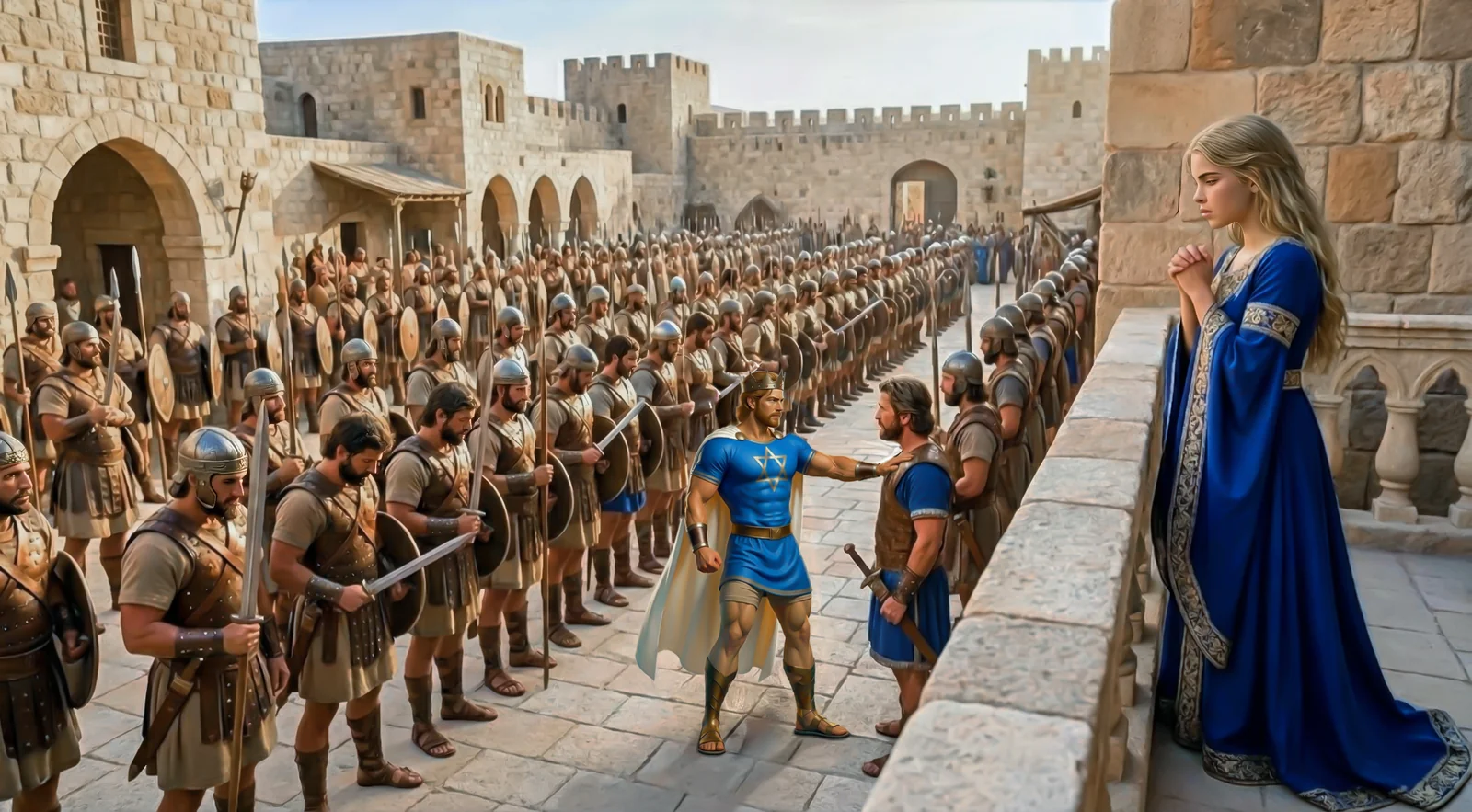
In battle, David became a name his enemies learned to fear. But victory, for David, was never clean. Every war left a mark. Every campaign left someone behind. He was not a man who fought without weight. That is part of what made him dangerous - and part of what made him human.
THE POET
In the middle of all of it - the battles, the kingdom, the politics, the grief - he wrote. Psalms carried in his name have been sung, read, and wept over for three thousand years, across every language on earth.
He wrote about fear. About doubt. About enemies and silence. About the feeling of being abandoned in the dark. He wrote about joy so fierce it had no container. He wrote about failure - his own, specifically, without softening a word. He did not write for posterity. He wrote because he had no other way to carry what he was carrying. That is why they still land.
THE FAILURES
He is not a saint. The record does not pretend otherwise. He made catastrophic decisions. He caused suffering that echoed across generations. He did not always lead his family the way he led his army.
But here is what separates him from every other figure in the record: He did not run from his failures. He named them. Accepted the weight. Bore the consequence. He did not negotiate with what he had done. That accountability - raw and complete - is also part of his legacy. You cannot understand David by only reading the victories.
THE LEGACY
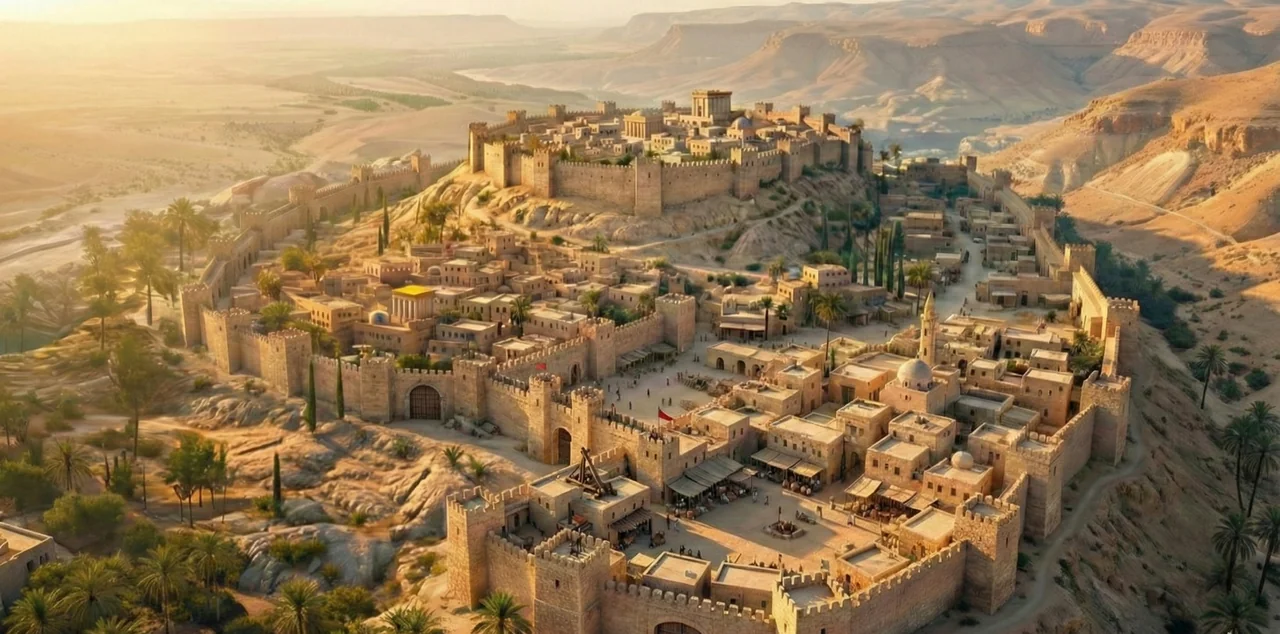
Three thousand years later, his name is still on a city. His words are still sung in synagogues, churches, mosques. His story has never stopped being told - not because it is simple, but because it is not.
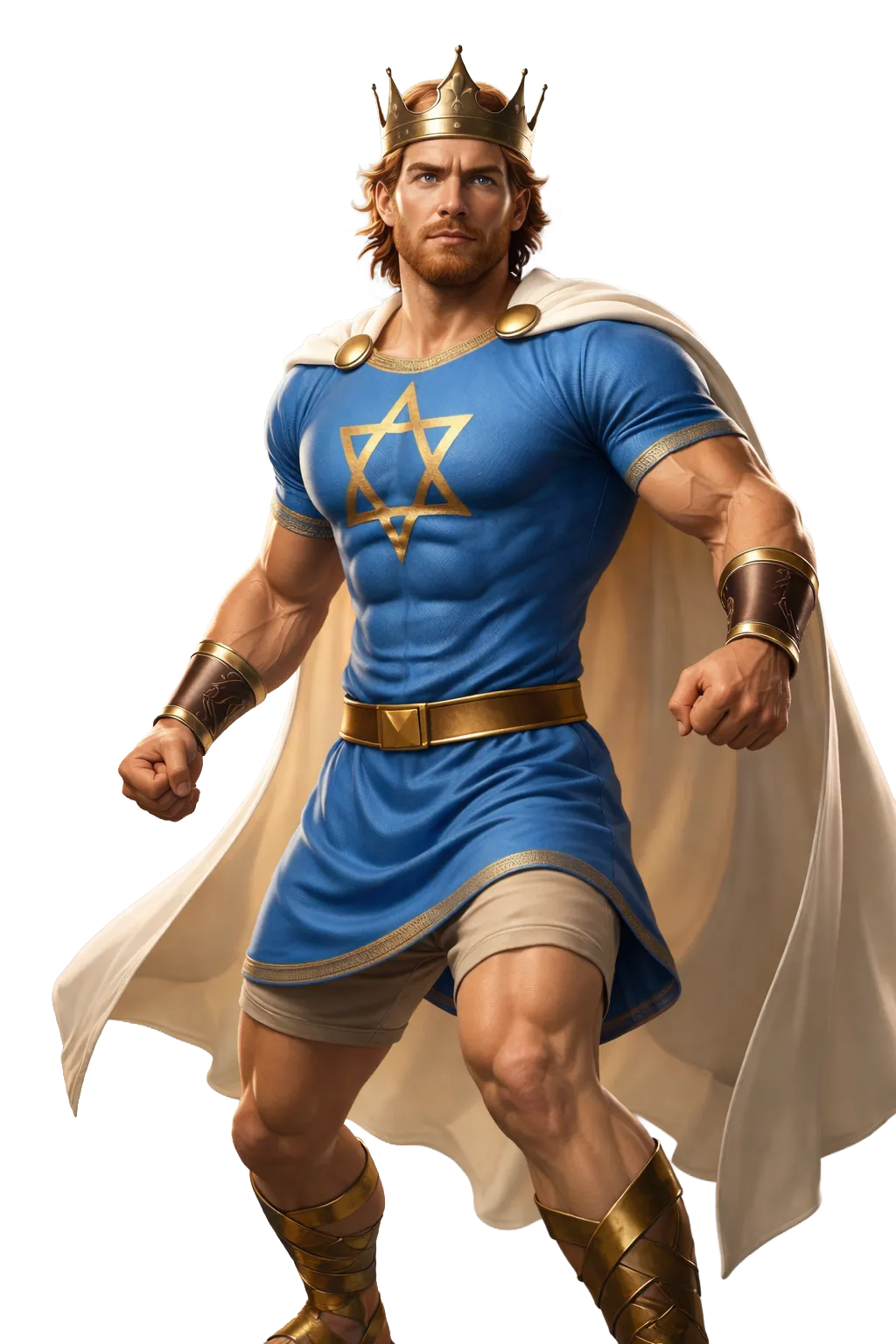
He was not a perfect man. He was a man who, again and again, at the turning points of his life, chose the harder road. The choice to fight when no one else would. The choice to wait when everyone said to act. The choice to mourn honestly instead of pretending strength. The choice to carry his failures instead of burying them. That is why his name endures. Not because of the crown. Because of everything it cost him to earn it - and everything he chose to do with it once it was his.